

Pedestrian movement clarity without complexity
Simulate evacuation and general pedestrian movement in stadiums, hospitals, skyscrapers, public transit, and more.
Is your pedestrian simulation tool easy to understand?
Building geometry from scratch is expensive.
Designing models from a black box is frustrating.
Producing results without advanced tools takes too long.
Create accurate, flexible, and professional pedestrian models
Import CAD geometry
Import the architect's model in seconds. Automatically detect BIM data and intelligently generate the navigation mesh, building objects, and textures. Easily understand and navigate your model.
Design models intuitively
Begin with people, doors, and navigable space. That's all it takes to start your first Pathfinder simulation. Layer in dynamic behaviors, complex profiles, and detailed geometry one step at a time.
Combine ingress and egress
Design a start-to-finish occupancy scenario. Occupants can enter the space with realistic adaptive behaviors. Building alarms can trigger and control evacuation procedures. All in the same model.
Deliver professional results
Put the worries of an AHJ to rest. Answer all of their questions with unprecedented clarity by creating plots and videos with advanced controls and information overlays.

Training and support ready to help you advance
Start delivering better results now
- Download now
- Learn the fundamentals
- Deliver results
Evacuation, social distancing, and crowd management
Model a safer world
Pathfinder delivers agent-based simulation through an intuitive interface to output clear and detailed results.
Each occupant in a Pathfinder model is aware of their surroundings and constantly recalculates their next step based on present information. These decisions are informed by academic research and validation testing. This process allows the Pathfinder simulation engine to model realistic human behavior.
- Thunderhead Engineering partners with leading researchers and hosts premier events to promote further development of pedestrian movement understanding.
- We validate and publish our own tests of Pathfinder against research data to ensure our tool can be trusted.
Pathfinder scales to the size and complexity of your project. Simple experiments can be setup in minutes. Pathfinder also pushes past the limits of other tools with Monte Carlo sensitivity analysis, smoke contaminant exposure, social distance modeling, and more.
Thunderhead Engineering supports you every step of the way. Whether you want in-depth training or self-taught materials, you can learn performance-based design modeling with greater efficiency and proficiency. We design our software for anyone to learn, and our customers are delighted when our support team helps them succeed.
We believe Pathfinder will quickly win you over. Try it free for 30 days - complete and unrestricted.
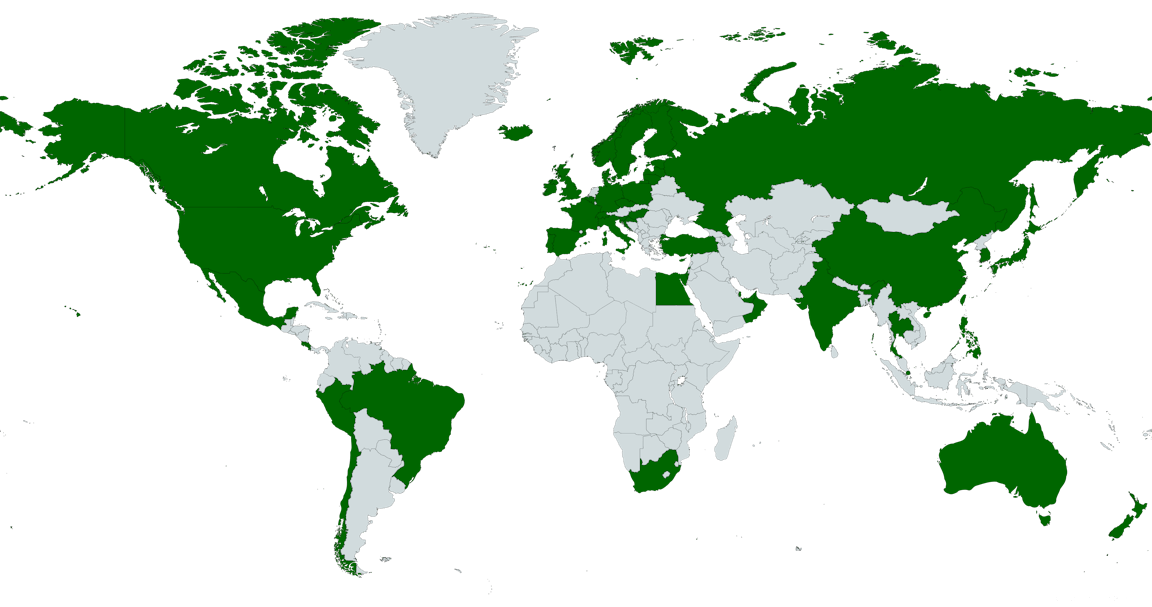
Trusted by experts around the world
Contact our International Partners for assistance in your region.
- Egress tool in SFPE survey
- #1
- International Partners
- 18
- Years of Updates
- 14+

PyroSim and Pathfinder allow our team to streamline our model builds, use unique techniques and approaches, and provide clean and concise output data. The software saves us time through many of the powerful features, which translates to both cost and time savings to our clients.
Pricing
Build free for 30 days. Purchase per computer or per network seat. Save by combining multiple licenses.
Annual subscriptions start on the date of purchase and are valid for 365 days. Subscriptions can be renewed as needed in the future.
What's included
- Pathfinder pedestrian movement and evacuation simulation.
- Results visual analysis, management, and export.
- One year of support and updates.
What's included
- Everything in Pathfinder Node-Locked.
- Share pool of licenses across multiple PCs.
- Thunderhead License Manager server and support.
Multi-license Discount
Save 50% on additional software licenses of equal or lesser value.
50% discount
CustomizeAdditional Details
- Licenses must be purchased at the same time to qualify for the discount.
- Combine with PyroSim and Ventus, Node-locked and Floating in your order.
- Contact Sales to add or modify licenses in an existing order.
Additional Details
- Ask your instructor about existing organizational licenses.
- Can be renewed every 180-days as needed.
- Minimal technical support available.
Apply for free government review licenses.
Review licenses are available to authorities (AHJs) for regulatory, non-commercial use.